Want to start an online business in Nigeria but do not know where to begin? You are not alone. Every day, thousands of Nigerians look for ways to earn online, sell products, or turn an idea into a real business.
The good news is that launching online is more accessible than ever. With the right plan, you can start with a focused offer, build a professional presence, receive payments, deliver orders, and grow beyond your first customers.
Why start an online business in Nigeria?
Nigeria is one of Africa's most active digital markets. Customers discover brands on social media, compare options on Google, pay through transfers and cards, and expect businesses to respond quickly.
- Reach customers beyond your immediate location.
- Sell at any time of day.
- Reduce the overhead of a physical shop.
- Build a brand people can search for and trust.
- Track orders, enquiries, and customer demand more clearly.
Step 1: Choose a focused business idea
Start with a real problem, a clear audience, or a product category people already buy. Popular categories include fashion, beauty, hair, food, electronics, home items, digital products, coaching, and professional services.
Before spending money, answer four questions: who is the customer, what problem are you solving, why should they choose you, and can the business grow over time?
Step 2: Validate before you build
Do not spend months building something nobody wants. Talk to potential customers, study competitors, read reviews, check search demand, and watch what people ask for on Instagram, TikTok, WhatsApp groups, and Facebook communities.
Step 3: Register and organise the business
You can start small, but basic structure matters. Register your business name when you are ready, open a dedicated business account, keep records, and understand your tax obligations as revenue grows.
Step 4: Create a professional website
Social media is useful for discovery, but you do not own the platform. A website gives customers a stable place to learn about you, browse products, place orders, send enquiries, and find you on Google.
Your website should include your products or services, pricing, delivery information, contact options, trust pages, and clear calls to action.
Step 5: Choose a simple domain name
Your domain is your online address. Choose something short, memorable, easy to spell, and close to your brand name. Avoid complicated words, unnecessary numbers, and spellings customers may forget.
Step 6: Add products or services properly
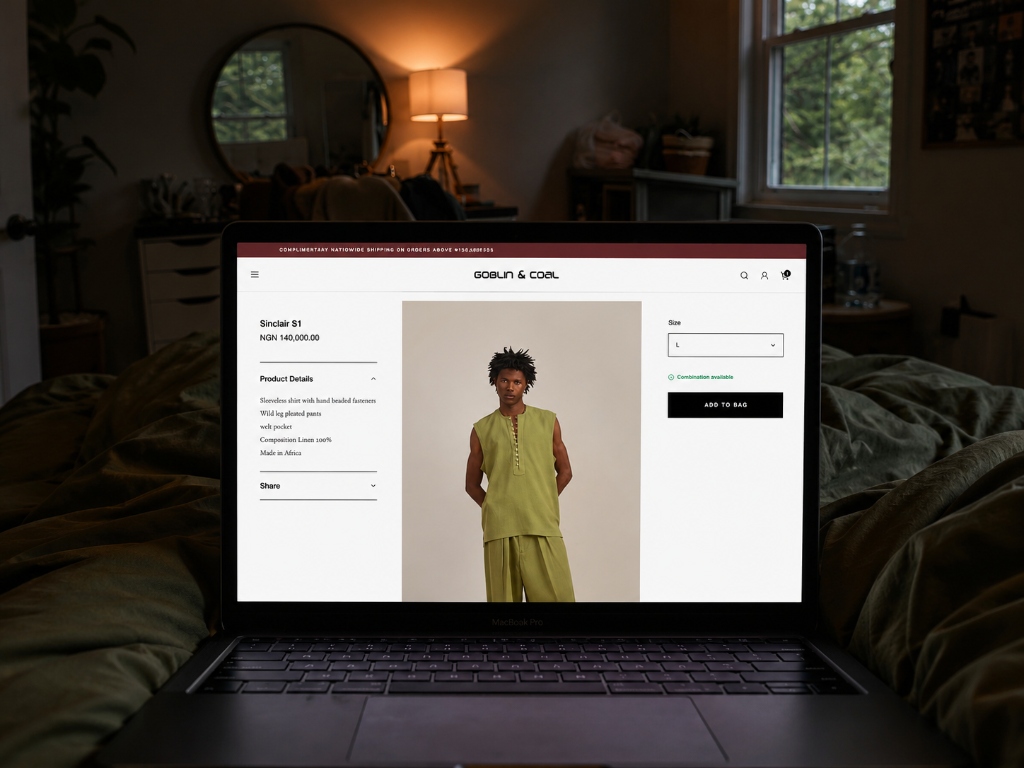
Each product page should have a clear title, strong photos, a useful description, pricing, available sizes or colours, delivery details, and stock information. Customers buy faster when they do not have to ask basic questions first.
Step 7: Set up reliable payments
Customers expect convenient payment options such as bank transfer, debit cards, and mobile-friendly checkout. A clear payment flow reduces abandoned orders and builds confidence.
Step 8: Plan delivery before orders arrive
Decide the states or cities you serve, delivery fees, timelines, courier partners, packaging standards, and return process. Clear shipping information prevents confusion and saves support time.
Step 9: Build trust from the first visit
Your site should include About, Contact, Privacy Policy, Terms, Refund Policy, FAQs, and customer reviews where available. Good branding, fast replies, and honest policies make online buyers more comfortable.
Step 10: Start marketing consistently
Use Google Search, social media, WhatsApp, email, and paid advertising when you understand your audience. Start with helpful content and clear offers, then improve based on what customers click, ask, and buy.
Common mistakes to avoid
- Waiting until everything is perfect before launching.
- Using poor product photos.
- Publishing unclear pricing or delivery details.
- Relying only on social media.
- Not collecting customer information.
- Ignoring follow-up and customer support.
How much does it cost?
Your cost depends on the model. Typical expenses include domain name, website, inventory, packaging, delivery, marketing, business registration, and branding. Start with what you can afford, prove demand, and improve as sales grow.
Frequently asked questions
Can I start with little capital?
Yes. Many businesses begin with one product or service, then reinvest profits into better inventory, branding, and marketing.
Do I need a website if I already sell on Instagram?
Yes. Social media helps people discover you, while a website gives them a trusted place to browse, order, pay, and learn more about your brand.
What products sell well online in Nigeria?
Fashion, beauty, hair, food, electronics, digital products, home items, and services remain strong categories, but the best choice depends on audience demand and your ability to deliver well.
Final thoughts
Starting an online business in Nigeria is no longer reserved for large companies. Whether you are launching a clothing brand, skincare business, restaurant, consulting firm, or retail store, the opportunity is real for founders who build consistently.
Nile helps entrepreneurs create professional business websites, manage products, receive payments, and grow with the tools they need to sell confidently online.