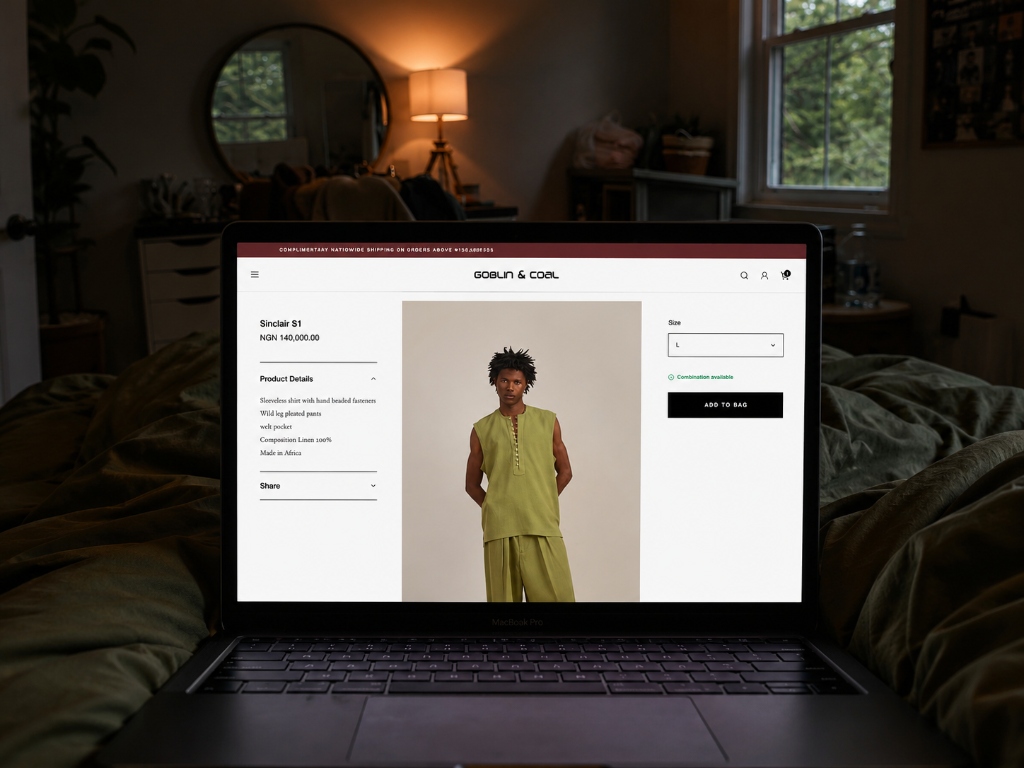
If you are planning to build a website for your business, one of the first questions you will probably ask is: how much does a website cost in Nigeria?
The answer depends on the type of website, the features you need, whether you hire a developer or use a website builder, and how much control you want as the business grows.
This guide breaks down common website costs in Nigeria, explains what affects pricing, and helps you choose an option that fits your stage of business.
The short answer
A professional business website in Nigeria can cost anywhere from ₦15,000 to several million naira, depending on complexity.
| Website type | Typical cost |
|---|---|
| Landing page | ₦15,000 - ₦100,000 |
| Small business website | ₦15,000 - ₦250,000 |
| Ecommerce website | ₦25,000 - ₦1,000,000+ |
| Corporate website | ₦150,000 - ₦2,000,000+ |
| Custom web application | ₦500,000 - ₦10,000,000+ |
These ranges are only a guide. The final price depends on how the website is built, how many features you need, and whether the site must support ecommerce, bookings, dashboards, or custom workflows.
What determines website cost?
1. Type of website
A simple portfolio or brochure website costs less than a full ecommerce platform. Business websites, online stores, restaurant websites, school websites, hotel websites, real estate websites, booking platforms, and membership websites all require different levels of work.
2. Design approach
Custom designs usually cost more than professionally designed templates. Templates can still look polished when customised properly, and they often help small businesses launch faster.
3. Number of pages
A five-page website is naturally cheaper than a fifty-page website. Common pages include Home, About, Services, Products, Contact, FAQ, Blog, Privacy Policy, and Terms of Service.
4. Ecommerce features
If you sell online, you may need product catalogues, carts, checkout, payment processing, inventory management, order tracking, delivery fee calculation, discount codes, and customer accounts.
5. Custom features
Appointment booking, school portals, memberships, learning platforms, marketplaces, customer dashboards, and internal management tools usually cost more because they are built around specific business workflows.
Hidden website costs to budget for
Many first-time business owners only budget for the initial website build. A realistic website budget should also include the costs of keeping the site online, secure, updated, and visible.
Domain name
Your domain is your online address, such as yourbusiness.com or yourbrand.store. Domains are usually renewed yearly.
Hosting
Hosting keeps your website online. Some website platforms include hosting in their plans, while other setups require separate hosting.
Maintenance
Websites need regular care. Maintenance may include security updates, performance improvements, content updates, bug fixes, backups, and technical support.
Marketing
Building a website is only the first step. You may still need Google Search optimisation, social media, email marketing, paid advertising, and content marketing to attract visitors.
Should you hire a developer or use a website builder?
Hiring a developer
A developer may be the right choice if you need highly customised functionality, complex business workflows, bespoke software, or enterprise integrations. The tradeoff is usually higher upfront cost and more technical dependence for future changes.
Using a website builder
A website builder is often practical for small businesses, fashion brands, restaurants, retail stores, service providers, creators, and startups. Benefits can include faster launch, lower upfront cost, easy updates, built-in hosting, mobile responsiveness, and integrated ecommerce tools.
Is the cheapest option always best?
Not always. A very low-cost website may lack mobile optimisation, security, SEO foundations, payment integration, fast loading speed, or reliable support.
Choosing purely on price can become more expensive later if you need to rebuild the website. Focus on value, customer experience, and whether the solution can support your next stage of growth.
How to budget for a website
Before choosing a solution, ask yourself what the website should do, whether you will sell products online, whether you need payments, whether you will update it yourself, whether you need a blog, and how much the business may grow over the next few years.
These answers help you avoid paying for features you do not need while making sure you do not outgrow the website too quickly.
Frequently asked questions
Can I build a professional website on a small budget?
Yes. Many businesses start with a simple website and add new features over time. Launching early and improving steadily is often better than waiting for perfection.
Do I need an ecommerce website if I sell on Instagram?
A website complements social media. It gives customers a trusted place to browse products, place orders, and learn more without depending on one social platform.
How long does it take to build a website?
Simple business websites can often be launched within days. Larger custom projects may take weeks or months depending on features, content, and approvals.
Can I manage my own website after it is built?
Many modern website platforms let business owners update products, content, and pages without technical knowledge.
Final thoughts
The cost of a website in Nigeria depends on your business goals, not a single fixed price. A small business may only need a clean professional website to establish credibility, while a larger organisation may need advanced custom functionality.
Instead of asking for the cheapest possible website, ask which website solution will help your business grow over the next five years.
A well-built website can generate enquiries, sales, and long-term customer relationships. That makes it an investment, not just another business expense.